How Durable Is Artificial Turf in Extreme Heat and Harsh Weather?
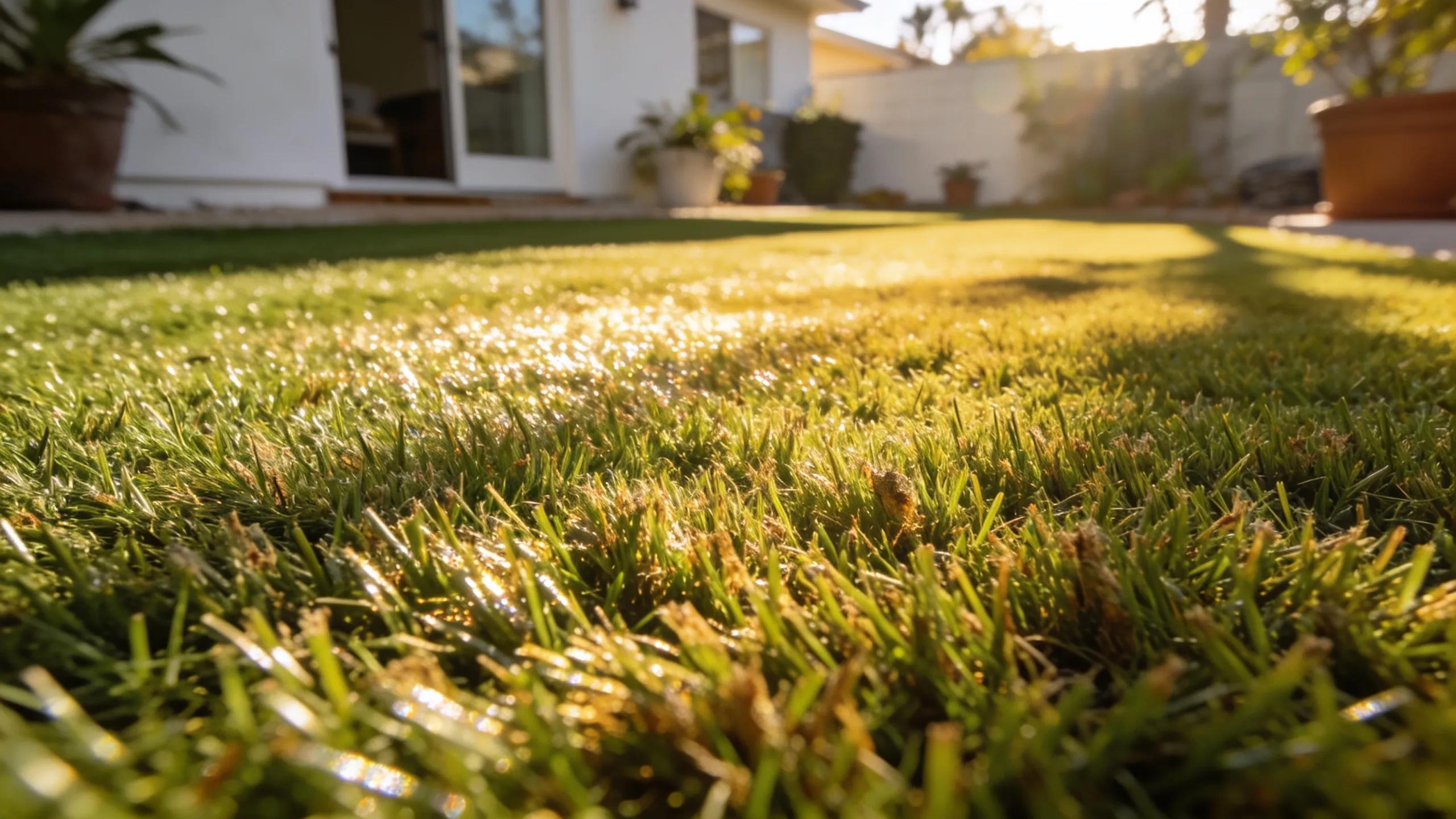
Artificial turf is popular for its clean look and low upkeep, but how well does it stand up to intense heat, storms, and heavy UV exposure? This article breaks down the real-world durability of synthetic grass—what the materials can tolerate, which performance measures matter, and how maintenance affects lifespan. Whether you’re installing artificial grass at home, for a business, or as pet turf, knowing how it performs in extreme conditions helps you choose and care for the right product. We’ll also explain how Big Bully Turf builds durability into its lines so your investment holds up season after season.
Material Resilience
The materials you choose determine how long turf lasts. Premium turf uses UV-stable fibers, engineered backings, and durable infill that resist fading, tearing, and breakdown from weather. Those components work together—fibers provide wear resistance, the backing keeps everything secure, and infill supports drainage and stability—so the turf maintains performance through heat, heavy rain, and strong sun.
Performance Metrics
You can measure turf performance by heat tolerance, drainage efficiency, colorfastness, and wear resistance. Installation matters, too: correct base prep and drainage reduce standing water and the risk of mold or premature wear. High-quality turf should keep its color and pile resilience even after long exposure to sunlight and temperature swings, so it still looks and performs well over time.
Long-Term Maintenance Considerations
Routine care extends turf life. Simple actions—regular rinsing, brushing to keep fibers upright, and clearing debris—make a big difference. In extreme climates, adapt your maintenance: more frequent rinses in hot, dusty regions and careful pet-waste management everywhere. Periodic inspections will catch small issues before they become repairs.
Durability in Various Conditions
Turf must handle both hot and cold extremes. Quality products use heat-tolerant fibers and color choices that reflect light to reduce surface temperature. In cold climates, properly installed turf resists snow and ice damage and won’t lose structural integrity. Knowing how a specific turf reacts to your local weather helps ensure a successful installation.
What Factors Affect the Lifespan of Artificial Turf in Extreme Weather?
Several factors influence longevity in harsh weather. UV stabilization is essential—without it fibers can fade and weaken. Moisture levels also matter: too much water can degrade components, while extreme dryness can cause brittleness. Effective drainage, proper infill, and correct installation all play key roles in preserving durability over time.
How Do Heat and Cold Impact Synthetic Grass Durability?
Temperature swings affect synthetic grass differently. Heat can cause modest expansion and raise surface temperature; cold can stiffen fibers. Modern manufacturing balances polymer blends and backing designs so turf flexes rather than fractures under extremes. Using temperature-aware installation and maintenance strategies keeps the turf looking and performing its best through seasonal shifts.
What Role Does UV Radiation Play in Turf Degradation?
UV radiation is one of the biggest long-term threats. Continuous sun exposure can cause fading, fiber thinning, and loss of strength as polymers break down. That’s why UV-stabilized fibers and protective surface treatments are critical—these slow chemical breakdown and preserve color and structure for years.
Which UV Protection Technologies Enhance Artificial Turf Longevity?
Advancements like multi-layer UV coatings, stabilized polymer blends, and specially treated fibers all boost resistance to sun damage. These technologies help turf retain color and tensile strength longer, making it a smarter long-term choice for homeowners and businesses in sunny regions.
How Does Weather Resistance Ensure Synthetic Turf Performance?
Weather resistance ties directly to usability. UV-stable materials, heat-tolerant fibers, and engineered drainage keep turf functional during heavy sun, storms, and temperature swings. High-performance turf is designed to shed water quickly, resist color loss, and stay structurally sound so it continues to look and play like new under varied conditions.
What Are the Weatherproofing Features in Big Bully Turf Products?
Big Bully Turf builds weatherproofing into its products with durable, UV-resistant fibers and backings tested for temperature extremes. Their turf lines meet rigorous durability standards and are backed by warranties that reflect the brand’s confidence. Antimicrobial finishes and robust drainage options also make many Big Bully Turf products a reliable choice for pet owners and high-traffic installations.
How Is Weather Resistance Tested and Verified for Artificial Turf?
Turf weather resistance is validated through industry-standard lab tests and field trials. Tests simulate prolonged UV exposure, thermal cycling, and heavy rainfall to measure color retention, tensile strength, and drainage. Certifications and third-party testing give buyers confidence that claimed performance holds up in real-world conditions.
What Maintenance Practices Maximize Artificial Turf Durability?
Simple, regular maintenance keeps turf in top shape. Best practices include:
- Routine Cleaning: Remove leaves and debris regularly to keep the surface clean and functional.
- Brushing: Brush fibers periodically to preserve pile height and recovery.
- Watering: Light rinses help settle dust and neutralize pet odors.
Following these steps helps turf maintain its look and extend its service life.
How to Maintain UV Resistant Artificial Grass for Extended Use?
To preserve UV-resistant turf, inspect it seasonally and tweak cleaning routines for your climate. Look for wear patterns and address trouble spots early. Use turf-safe cleaners and avoid harsh treatments that could strip protective coatings—this keeps the material performing and looking its best for years.
Which Cleaning and Care Methods Mitigate Weathering Effects?
To limit weathering, follow these care tips:
- Use soft-bristled brooms: Gentle brushing cleans without stressing fibers.
- Avoid harsh chemicals: Strong solvents and bleach can accelerate material breakdown.
- Address spills promptly: Quick cleanup prevents staining and long-term damage.
These straightforward practices significantly improve turf longevity in harsh climates.
How Does Artificial Turf Perform Under Pet Use in Harsh Conditions?
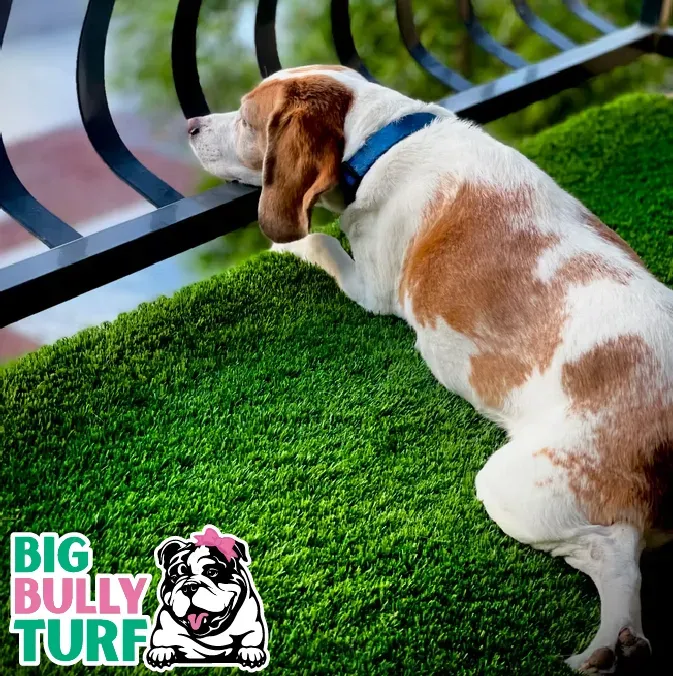
Pets add wear and unique maintenance needs, especially in extreme weather. Durable pet turf is engineered for drainage, resilient fibers that resist digging and matting, and antimicrobial features to help control odors. Big Bully Turf’s pet-specific products address these demands so yards stay sanitary and attractive despite heavy use.
What Makes Pet Turf Durable Against Weather and Wear?
Pet turf combines tough fibers, effective drainage, and antimicrobial treatments to stand up to digging, traffic, and waste. Those features reduce wear and help turf recover quickly, providing a safer, cleaner surface for pets while keeping long-term maintenance manageable.
How Does Big Bully Turf Customize Products for Weather-Resistant Pet Turf?
Big Bully Turf adapts its blends and constructions to suit different climates and uses. That means choosing fiber types, infills, and drainage systems tailored for heat, cold, or heavy pet traffic so each installation performs reliably where it’s installed.
What Evidence Supports the Longevity of Big Bully Turf Products?
Big Bully Turf points to customer feedback, warranties, and field data to validate product longevity. Real-world installations—combined with warranty coverage and performance testing—show that well-made turf can maintain appearance and function for many years.
Which Case Studies Demonstrate Extreme Weather Turf Performance?
Case studies from high-UV deserts to regions with wide temperature swings show Big Bully Turf holding up under tough conditions. Installations tracked over time, plus customer reports, consistently show durable results and sustained satisfaction.
What Do Customer Testimonials Reveal About Product Lifespan?
Customer testimonials frequently note that Big Bully Turf keeps its look and function after years of use. Those firsthand reports, along with warranty support and test data, give new buyers confidence that their turf will remain a solid long-term investment.
Frequently Asked Questions
How does artificial turf compare to natural grass in extreme weather conditions?
Artificial turf tends to outperform natural grass in extreme weather. It is designed to withstand harsh elements, including high heat and heavy rain, without wilting or sustaining damage. Natural grass can suffer from drying out, browning, or becoming muddy in wet conditions. Additionally, synthetic grass requires less water and chemical treatments, making it a more resilient option during extreme weather and a more sustainable choice overall.
Can artificial turf be installed in regions that experience snow?
Yes, artificial turf can be successfully installed in snowy regions. Quality synthetic grass is designed to resist snow and ice damage, provided that it is installed correctly. The turf allows for proper drainage, preventing water accumulation that could lead to freezing. Regular snow removal using a plastic shovel is recommended in winter to maintain the surface and ensure it remains clear for use.
What are the environmental impacts of using artificial turf compared to natural grass?
While synthetic turf eliminates the need for water and chemical fertilizers, its initial production involves plastics that can impact the environment. However, high-quality artificial turf is often recyclable, and its longevity reduces the frequency of replacement. Additionally, turf can help lower water consumption in arid regions. Balancing the environmental factor, homeowners should consider the long-term benefits and sustainability aspects of their choice.
How often should artificial turf be replaced?
The lifespan of artificial turf can range from 8 to 15 years, depending on the quality of the materials and level of maintenance. High-quality products, like those from Big Bully Turf, often last longer due to durability features. Timely maintenance practices, such as regular cleaning and inspections, can help extend the lifespan further, delaying the need for replacement.
What are the best practices for maintaining turf in fluctuating climates?
In regions with fluctuating climates, maintaining artificial turf involves adapting care routines to seasonal changes. In hot weather, frequent rinsing helps cool down the surface and prevents dust accumulation. During colder months, regular inspections can catch and address issues caused by snow or ice. Always use turf-safe products and avoid harsh chemicals to preserve the turf’s integrity and color.
What signs indicate that my artificial turf needs repair?
Key signs that artificial turf may need repair include visible wear areas, flattened fibers, excessive fading, or drainage issues. If you notice persistent odors or a lack of drainage, these issues can indicate underlying damage. Regular inspections and timely care can address problems early, allowing for minor repairs rather than extensive renovations.
What types of infills are most effective for artificial turf in extreme weather?
Effective infills for artificial turf in extreme weather should provide stability and moisture control. Materials like silica sand and rubber granules are commonly used as they offer excellent drainage and help maintain cool temperatures. These infills contribute to the turf’s durability by supporting fibrous structure and resisting compaction from high foot traffic, making them suitable for various climates.