How to Prevent Weeds in Artificial Grass: Expert Synthetic Turf Weed Control and Maintenance
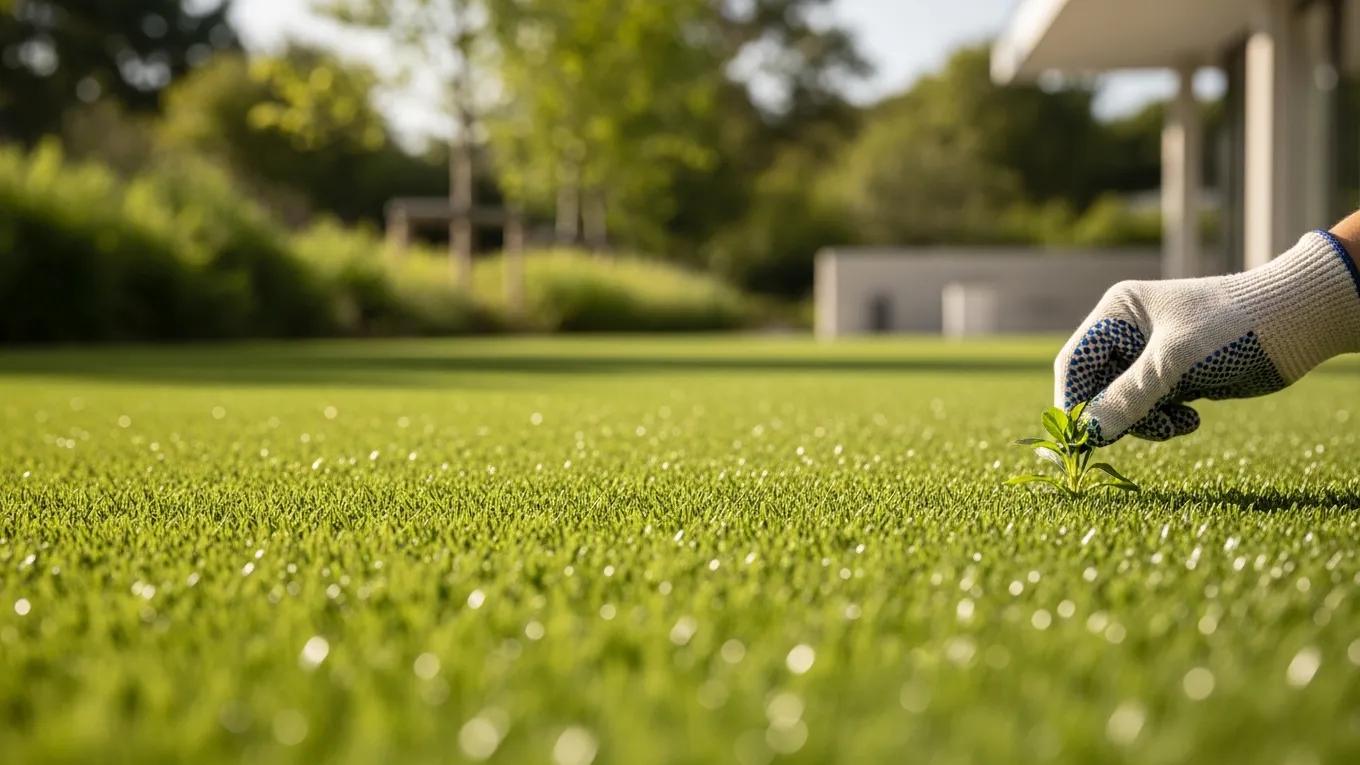
Professional installation with weed barrier ensures a clean, weed-free artificial grass surface.
Artificial grass offers a low‑maintenance option for homeowners seeking a consistently tidy lawn. Weed growth, however, can undermine appearance and function. This guide explains how weeds establish in synthetic turf, compares effective weed‑barrier materials and maintenance practices, and highlights how Big Bully Turf product features reduce weed pressure. Applying these measures preserves both aesthetics and performance.
What Causes Weeds to Grow in Artificial Grass and How to Identify Them
Weeds establish in artificial grass when site conditions permit seed germination or growth. Seeds, soil movement and accumulated debris introduce weed material to the surface. Identifying likely entry routes and species is essential because control methods differ by weed type.
Understanding Weed Growth Mechanisms in Synthetic Turf Environments
Weed establishment in synthetic turf is driven by moisture, sunlight and available organic matter. Small amounts of organic debris supply nutrients. Inadequate drainage that causes water pooling also promotes germination. Addressing these factors is central to effective prevention.
Common Types of Weeds Affecting Artificial Grass Installations
Common invaders include dandelions (bright yellow flowers and deep taproots), crabgrass (rapidly spreading, forming dense patches) and clover (low‑growing and able to alter a uniform appearance). Early identification supports targeted removal and control.
Which Weed Barrier Materials Are Best for Synthetic Turf Installation?
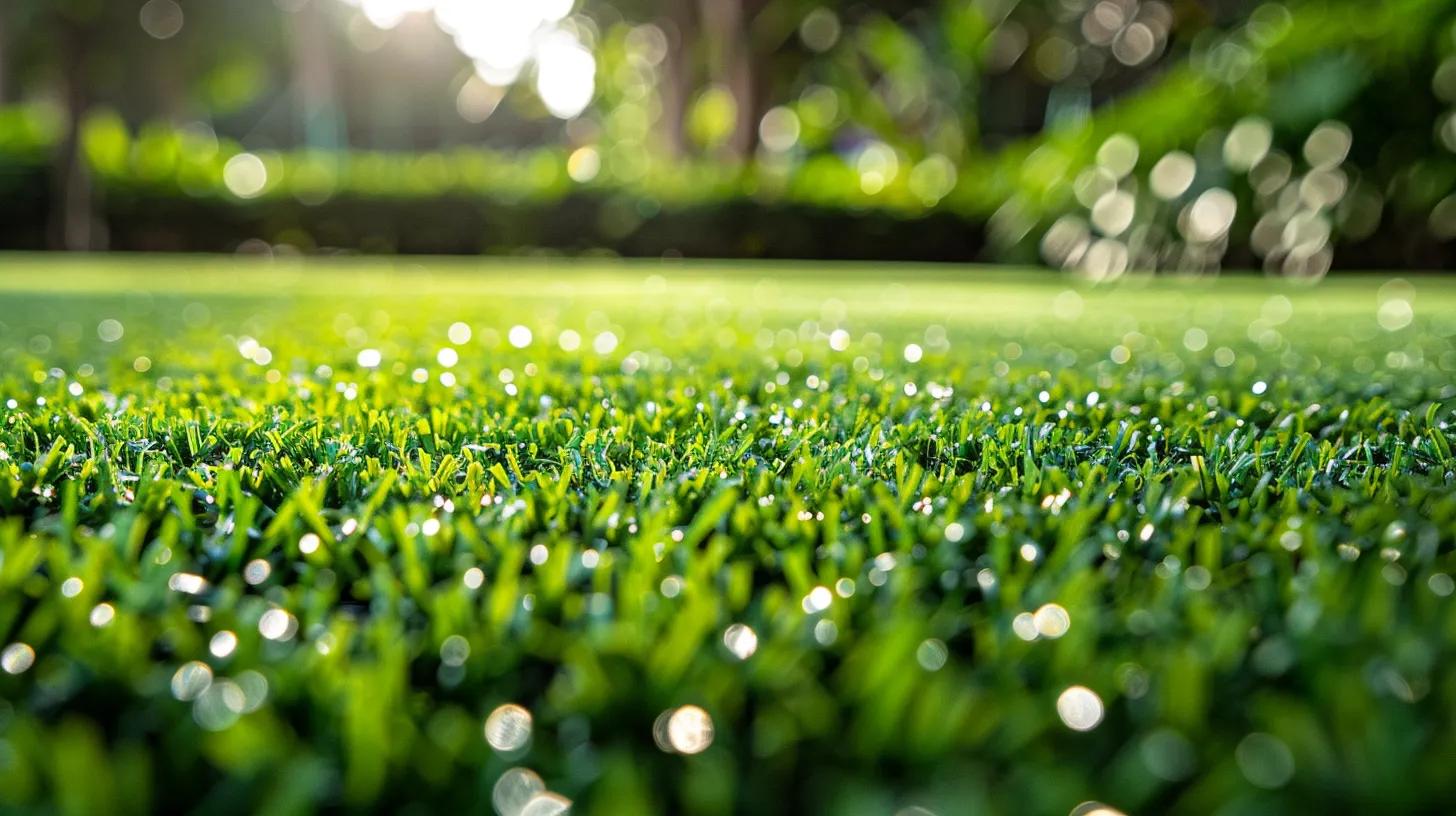
Woven and non-woven weed barrier fabrics provide different benefits for synthetic turf installations.
Selecting an appropriate weed barrier substantially reduces the risk of penetration. Available options differ in performance and longevity; choosing the right material for site conditions and maintenance expectations is critical.
Comparing Weed Barrier Fabrics: Features and Durability
Woven polypropylene delivers high tensile strength and long service life. Non‑woven fabrics offer improved filtration and drainage. Biodegradable fabrics lower environmental impact but generally require earlier replacement. Each material presents trade‑offs between durability and sustainability.
Material selection should align with installation demands, expected traffic and the planned maintenance regimen.
How Professional Installation Enhances Weed Barrier Effectiveness
Professional installers apply correct site preparation—grading, soil treatment and precise barrier placement—to maximise barrier performance. Expert selection and installation reduce long‑term weed risk and maintenance requirements.
What Maintenance Practices Effectively Prevent Weeds in Artificial Grass?
Consistent maintenance prevents weed establishment by removing conditions that support growth and preserving turf performance.
Routine Synthetic Turf Cleaning and Infill Management Techniques
Perform regular brushing to remove debris and prevent organic buildup. Inspect and redistribute infill to avoid compaction and voids where seeds can lodge. These tasks maintain drainage and the turf’s structural integrity.
- Regular Brushing: Helps maintain the appearance and health of the turf.
- Rinsing Debris: Removes organic matter that can encourage weed growth.
- Infill Inspection: Ensures proper distribution and prevents compaction.
Applying these routine practices reduces weed risk and preserves appearance and drainage performance.
Safe Use of Herbicides and Eco-Friendly Weed Control Methods
Herbicides can address persistent weeds when products are selected for compatibility with synthetic turf and applied per label instructions. For lower‑impact control, targeted use of vinegar or salt solutions can be effective. Proper application protects the turf and minimises environmental impact.
How Do Product Features of Big Bully Turf Synthetic Grass Inhibit Weed Growth?
Big Bully Turf designs synthetic grass with attributes that limit weed intrusion. Understanding these features helps homeowners choose products that align with performance and maintenance goals.
UV Resistance and Durability Benefits for Long-Term Weed Prevention
UV‑resistant fibers retain structural integrity and colour over time. Durable construction reduces wear that can expose the substrate and permit weed establishment. This longevity lowers replacement frequency and reduces maintenance costs.
Integration of Drainage Systems and Hardscape for Weed Control
Proper drainage prevents standing water that promotes seed germination. Big Bully Turf integrates drainage solutions into installations to direct water away from the turf. Incorporating hardscape elements further limits areas where weeds can colonise.
How Does Pet Turf and Specialized Installation Contribute to Weed Prevention?
Pet turf is engineered to withstand heavy use while reducing opportunities for weed growth. Its construction supports cleanliness and durability in yards with animals.
Weed-Resistant Pet Turf Features and Benefits
Dense pile structure and antimicrobial treatments make pet turf resistant to weed growth.
Big Bully Turf’s pet turf features antimicrobial treatments and a dense pile structure that resists weed penetration. These characteristics extend product life and provide a cleaner, safer play area for pets.
Installation Techniques Tailored for Pet Areas to Minimize Weed Growth
For pet areas, installers apply precise grading and select high‑quality infill that discourages weed growth. Correct installation reduces future maintenance and preserves a reliable surface for pets.
Frequently Asked Questions
What are the signs that weeds are starting to grow in artificial grass?
Early signs include plants visibly different from the synthetic blades (for example dandelions or crabgrass), accumulations of organic debris and exposed seams or damaged sections. Regular inspections allow timely intervention.
How can I effectively remove weeds that have already grown in my artificial grass?
Remove weeds by pulling roots where possible to prevent regrowth. For persistent infestations use herbicides labelled safe for synthetic turf. Spot treatments with vinegar or boiling water can be effective alternatives. After removal, clean the area to remove organic material that encourages new growth.
Is it necessary to use a weed barrier when installing artificial grass?
Installing a quality weed barrier is strongly recommended. It blocks sunlight and limits seed germination, acting as a protective layer between soil and turf to preserve appearance and extend service life. While not mandatory, it reduces future weed management.
What eco-friendly methods can I use to prevent weeds in artificial grass?
Eco‑friendly methods include regular brushing and rinsing to remove debris, targeted use of natural herbicides such as vinegar or salt solutions, and ensuring effective drainage to avoid standing water. These measures control weeds while minimising environmental impact.
How does the choice of infill material affect weed growth in artificial grass?
Infill selection influences weed resistance. High‑quality infill maintains pile structure and prevents compaction that creates seed pockets. Infill options such as rubber or silica sand are less hospitable to seed germination. Regular inspection preserves infill performance.
Can pets affect the growth of weeds in artificial grass?
Pet activity can raise weed risk by disturbing turf and exposing underlying soil. Pet waste can add organic matter that supports weeds if not cleaned promptly. Use pet‑specific turf and maintain a consistent cleaning schedule to minimise issues.
How Often Should Artificial Grass Be Maintained to Prevent Weeds?
Maintain artificial grass at least once a month. Inspect the surface, clean debris and check infill distribution. A proactive schedule reduces the need for intensive weed control.
Can Weeds Grow Through Artificial Turf and How to Address This?
Weeds can emerge through seams or damaged areas. Regular inspections and prompt repairs are essential. Applying a weed barrier during installation provides an additional protective layer against penetration.
Learn more about Big Bully Turf and their commitment to quality by visiting their website.